Category: AI
-
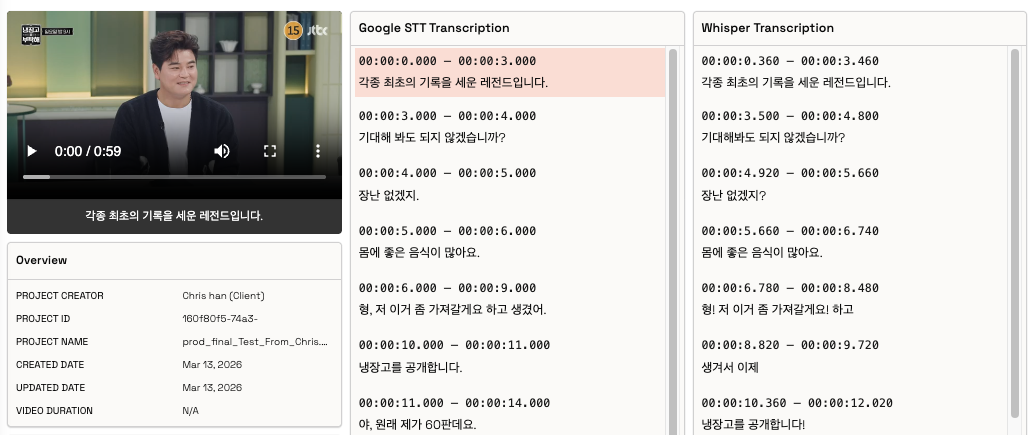
Architecting an “LLM-as-a-Judge” System for Video Metadata
The Challenge At my recent employer(they are working with the top video media company in th world), we faced a high-friction operational bottleneck which is generating accurate, tone-consistent video synopses and metadata at scale. Traditional manual workflows were too slow, but raw LLM outputs were too unreliable for professional distribution. I was tasked with building…
-
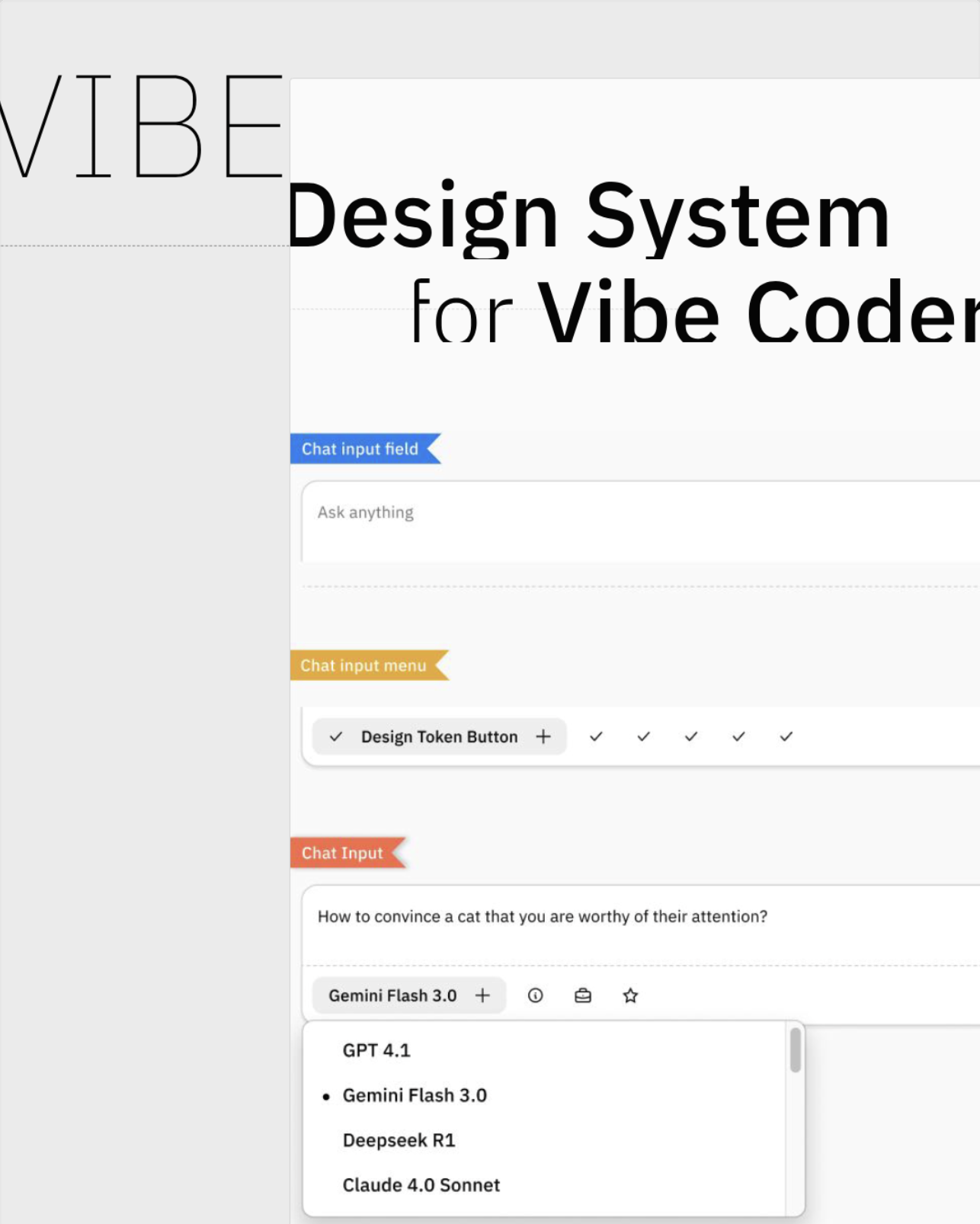
Mastering Vibe Coding: A Step-by-Step Guide to AI-Driven Design Systems
-
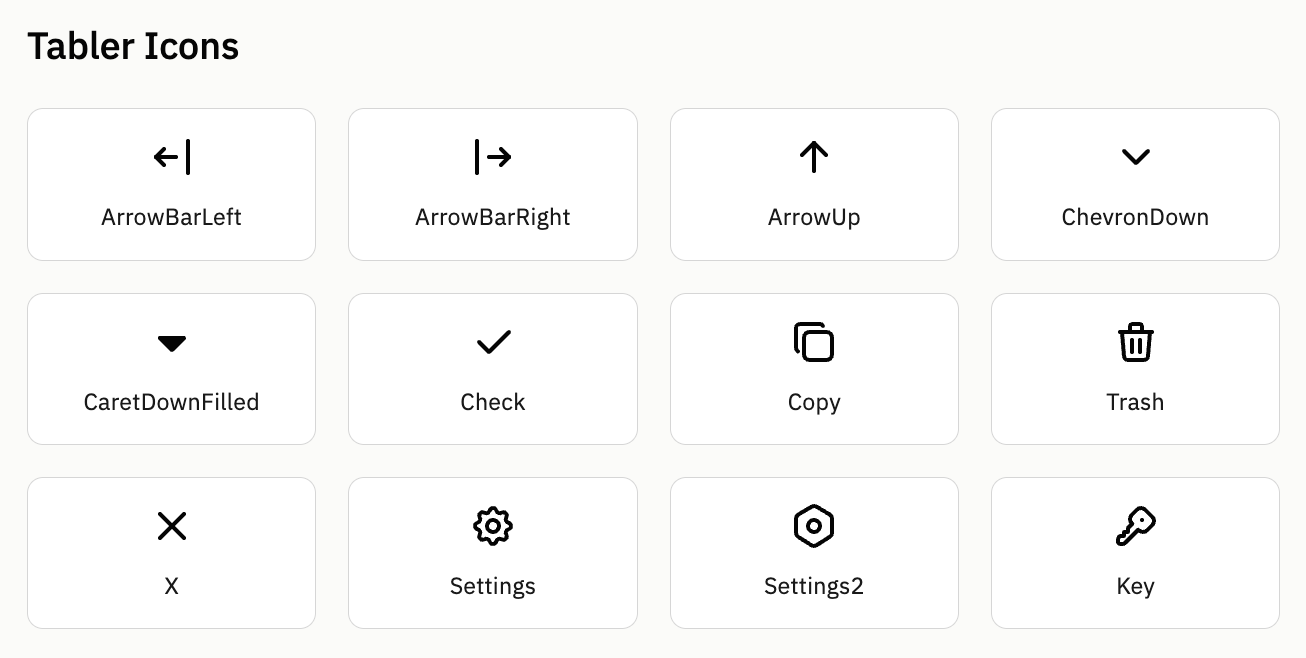
Figma Design System is dead
The Reverse Workflow: Building Design Systems in Code with AI Traditional design-to-code starts in Figma, then moves to code. A code-to-design workflow builds the design system directly in code, generating documentation from the implementation. With AI tools like Cursor, this approach is faster and more flexible. The Traditional Design-to-Code Workflow The standard process: Problems: The Code-to-Design Approach Build the design system in…
-
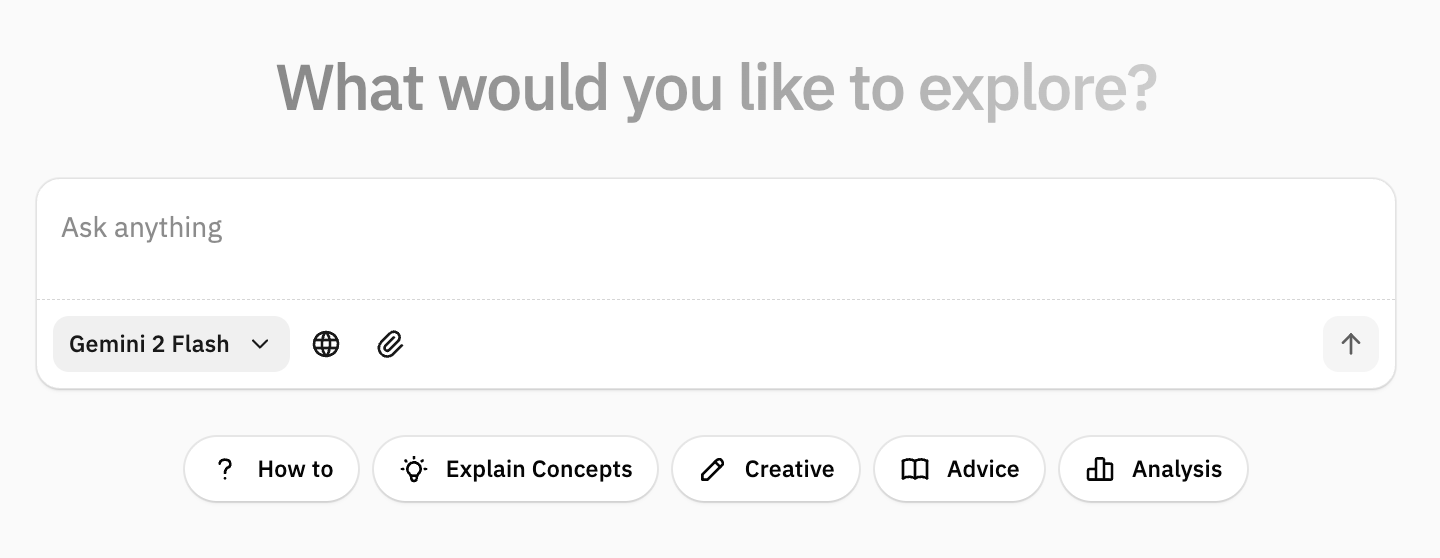
LLMTalk: A Unified Interface for Multiple AI Models
As AI models proliferate, switching between providers becomes tedious. LLMTalk is a unified chat interface that lets you interact with OpenAI, Anthropic (Claude), and Google Gemini from one place. The Problem with Multiple AI Interfaces Each provider has its own interface, API patterns, and quirks. Switching between them is inefficient. LLMTalk consolidates them into a single, consistent experience. What Makes LLMTalk Special Multi-Provider Support LLMTalk…
-
AI-Powered Design Automation: Building a Figma MCP with Cursor
Github: https://github.com/xxflux/figma_MCP Design systems are evolving rapidly, and the integration of AI into design workflows is transforming how designers and engineers collaborate. In this article, I’ll explore how to build a Model Context Protocol (MCP) for Figma using Cursor Agent, enabling natural language commands to automate design tasks. What Is Model Context Protocol (MCP)? MCP is a standardized communication…
-
Voice cloning and Text-to-Speech on naturalreaders.com
We moved quickly from traditional TTS to a new era of smarter, GPU-powered AI TTS. Now, we’re at the point where we can clone our own voices, add emotions and tones, and even speak foreign languages we’ve never learned. With so many TTS and voice cloning products and services out there, I explored some of…
-
Bootstrapping NextJS app on the Cursor.ai
With an AI-agent-supported code editor, setting rules or coding standards that the agent must follow while programming itself is necessary. Additionally, defining project-specific rules is crucial to ensure that the agent’s output aligns with the developer’s intentions. Traditional PRDs (Product Requirement Documents) are also an essential part of these rules. For my project, which will…