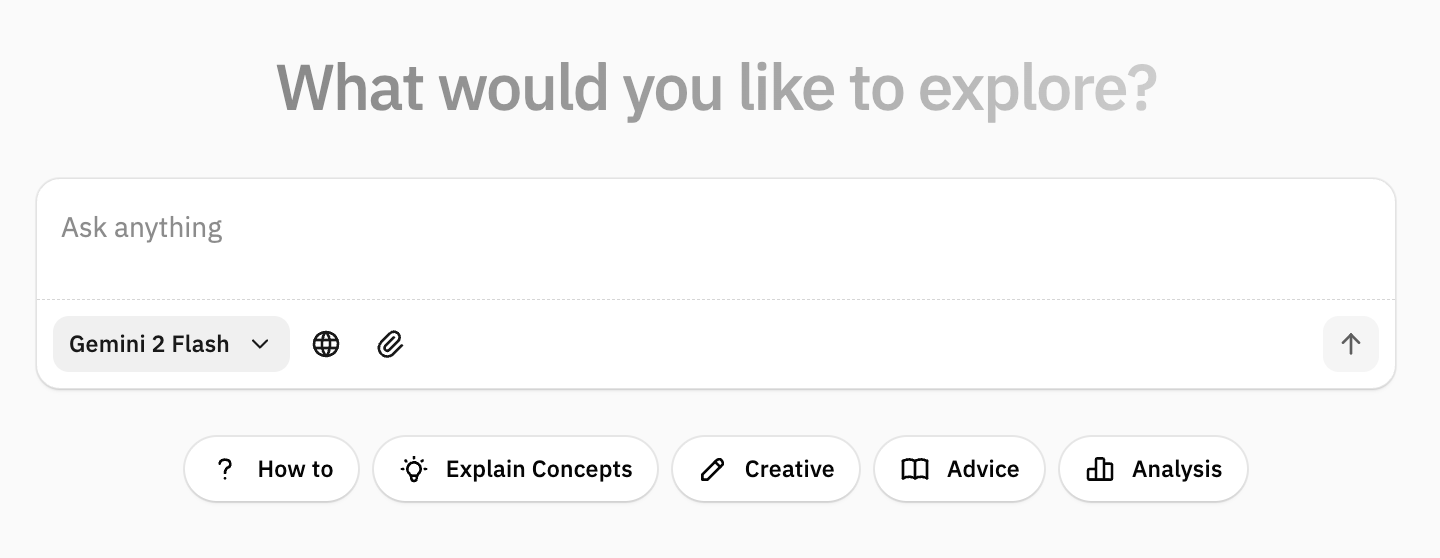
As AI models proliferate, switching between providers becomes tedious. LLMTalk is a unified chat interface that lets you interact with OpenAI, Anthropic (Claude), and Google Gemini from one place.
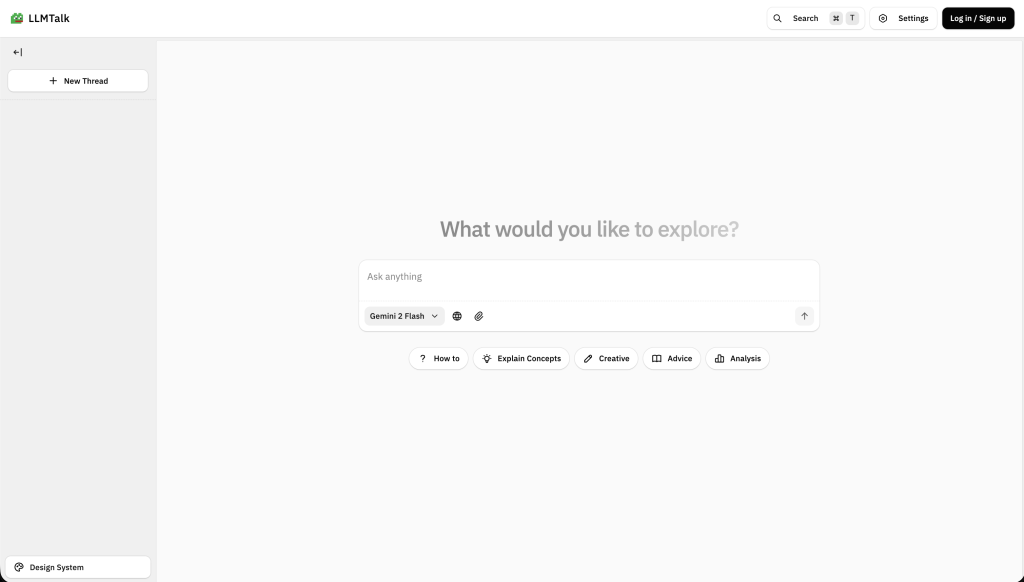
The Problem with Multiple AI Interfaces
Each provider has its own interface, API patterns, and quirks. Switching between them is inefficient. LLMTalk consolidates them into a single, consistent experience.
What Makes LLMTalk Special
Multi-Provider Support
LLMTalk supports:
- OpenAI (GPT-4, GPT-3.5)
- Anthropic (Claude)
- Google Gemini
Switch models without leaving the interface.
Flexible API Key Management
Two modes:
- System mode: uses environment variables
- Own mode: manage keys in-app
Useful for teams and personal projects.
Real-Time Streaming
Streaming responses with support for “Thinking” and “Reasoning” tokens, so you see progress as the model generates.
Persistent Chat History
Thread-based history with local storage, so conversations persist across sessions.
Custom AI Rules
Define custom instructions per conversation to shape model behavior.
Modern Design System
A documented design system at /design-system includes:
- Typography scales
- Color palettes (light/dark)
- Reusable components
- Animation patterns
- Modal templates
Technical Architecture
Built with Modern Web Technologies
Frontend Framework: Next.js 14 with App Router
- Server-side rendering
- Route-based code splitting
- Built-in API routes
Language: TypeScript
- Type safety
- Better developer experience
Styling: Tailwind CSS
- Utility-first CSS
- Responsive design
- Dark mode support
UI Components: Radix UI
- Accessible primitives
- Unstyled, customizable components
State Management: Zustand
- Lightweight
- Simple API
- Good performance
AI Integration: Vercel AI SDK
- Unified API for multiple providers
- Streaming support
- Built-in error handling
Key Features Implementation
Streaming Responses: Uses the Vercel AI SDK streaming API for real-time updates.Chat History: IndexedDB (via Dexie) for client-side persistence.Theme System: next-themes with system preference detection.Rich Text Editor: TipTap for markdown support and formatting.
Design Philosophy
The design prioritizes:
- Simplicity: clean, uncluttered interface
- Consistency: unified experience across providers
- Accessibility: keyboard navigation and screen reader support
- Performance: optimized rendering and state management
Use Cases
- Comparing responses across models
- Development and testing
- Personal productivity
- Learning different model behaviors
The Future of AI Interfaces
As models evolve, unified interfaces become more important. LLMTalk demonstrates how to:
- Abstract provider differences
- Provide a consistent UX
- Support extensibility
- Maintain performance
Open Source and Extensible
The codebase is structured for extension. Adding new providers is straightforward, and the component system supports customization.
Conclusion
LLMTalk shows that a unified interface can improve the AI interaction experience. By consolidating multiple providers into one interface, it makes AI more accessible and efficient.Whether you’re a developer, researcher, or enthusiast, having one interface for multiple AI models streamlines your workflow and lets you focus on what matters: the conversation.
Try it: http://llm-talk-five.vercel.app/